 Image 1 of 2
 Image 2 of 2
-
INCI NAME: Commiphora Erythraea Glabrescens (Opopanax) Oil.
ORIGIN: Ethiopia. Bottled in Hawai’i.
PART USED: Oleo-gum Resin.
EXTRACTION METHOD: Steam Distilled Essential Oil.
NOTE CLASSIFICATION: Base to Middle Note, Fixative.
-
African myrrh essential oil blends well with a variety of other essential oils, enhancing its therapeutic effects and creating complex aromatic profiles. Here are some essential oils that pair nicely with African myrrh:
Frankincense: Both myrrh and frankincense have been used together in traditional practices for centuries. They complement each other's warm, resinous aromas and share similar therapeutic properties, making them an excellent combination for relaxation and spiritual practices.
Lavender: Lavender's floral and herbaceous scent balances well with the earthy, balsamic aroma of myrrh. This blend is soothing and calming, ideal for promoting relaxation, reducing stress, and supporting sleep.
Sandalwood: Sandalwood adds a creamy, woody note to the blend, enhancing myrrh's grounding qualities. Together, they create a deep, meditative aroma that can help center the mind and promote a sense of inner peace.
Patchouli: Patchouli's rich, earthy scent complements the resinous aroma of myrrh, creating a warm and comforting blend. This combination is often used in aromatherapy for its grounding and mood-stabilizing effects.
Cedarwood: Cedarwood's woody aroma adds depth and warmth to the blend, enhancing its grounding properties. Together, they create a soothing and calming atmosphere, ideal for meditation or relaxation practices.
Geranium: Geranium's floral and slightly citrusy scent balances the earthiness of myrrh, creating a harmonious and uplifting blend. This combination is often used in skincare for its rejuvenating and balancing effects on the skin.
Citrus Oils (such as Orange, Lemon, or Bergamot): Citrus oils add brightness and freshness to the blend, uplifting the overall aroma. They can help balance the deep, resinous notes of myrrh and create a more uplifting and invigorating atmosphere.
When blending essential oils, start with small amounts and adjust the proportions according to your preference. Experimenting with different combinations can help you discover unique aromas and therapeutic benefits tailored to your needs.
-
They can be inhaled directly from the bottle, diffuser, or humidifier.
They should be diluted with a carrier oil when applied to your skin. We suggest a 4% dilution rate.
You can also add them to your favorite skincare products.
Essential oils are not safe for consumption unless you are under a health practitioner's guidance.
-
100% Pure Essential Oil.
Unrefined, Undiluted, No Fillers, No Synthetics, Organic, and Sustainably sourced.
-
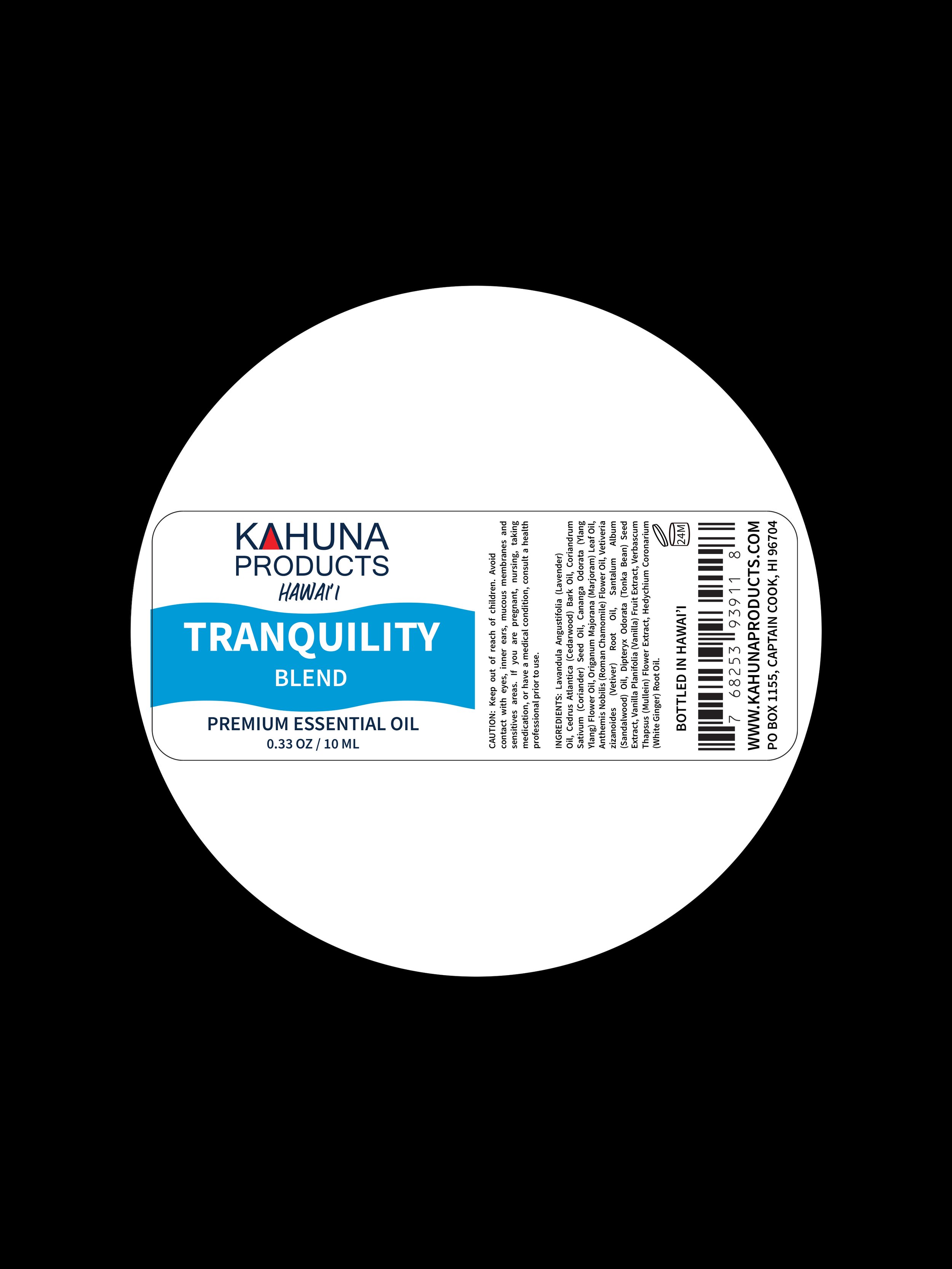
0.33 oz / 10 ml
Amber glass bottle with euro dropper.
-
Keep out of reach of children. The bottles are a choking hazard. Avoid contact with eyes, inner ears, mucous membranes, and sensitive areas. If you are pregnant, nursing, taking medication, or have a medical condition, consult a health professional prior to use.
Animals are more sensitive to certain scents; consider your pets while choosing essential oils.
While not all essential oils have the same effect on everyone, the key is finding which ones work best for you. You are the individual and know what is best for you. So experiment and find your path.
The products described on this website are not intended to diagnose, treat or prevent any disease or to affect any structure or function of the skin or body. The information on this website is not medical advice and is not a substitute for consulting with a healthcare provider.