 Image 1 of 2
 Image 2 of 2
-
INCI NAME: Syringa Vulgaris (Lilac) Extract Oil.
ORIGIN: Bulgaria.
Bottled in Hawai’i.
PART USED: Flowers.
EXTRACTION METHOD: Our range of absolutes has been extracted using modernized technology similar to the ancient method of Enfleurage. The extraction process uses only certified organic solvents, such as fixed oils and alcohol, to coax the aromatic essence out of the plant material. The multi-step process includes first extracting the aromatic oil from the plant material using organic solvents such as fixed oils. After the solvent is removed, what is left behind is a waxy substance called concrete. The aromatic oils are then extracted from the concrete with ethyl alcohol; after the ethyl alcohol is removed, the remaining substance is absolute.
NOTE CLASSIFICATION: Middle Note.
-
Lilac essential oil, although not widely available, is known for its sweet and floral aroma. When it comes to blending lilac essential oil with other oils, here are some suggestions that may complement its fragrance:
Lavender: Lavender essential oil has a calming and soothing scent that can blend harmoniously with lilac. Together, they can create a relaxing and peaceful atmosphere.
Geranium: Geranium essential oil has a floral aroma with a hint of sweetness. Combining it with lilac can enhance the overall floral bouquet and add a touch of complexity to the blend.
Ylang Ylang: Ylang ylang essential oil has a rich and exotic floral scent. When blended with lilac, it can create a captivating and sensual aroma.
Jasmine: Jasmine essential oil is renowned for its intensely floral fragrance. Pairing it with lilac can result in a heady and romantic blend.
Rose: Rose essential oil has a classic floral scent that is often associated with beauty and elegance. Mixing it with lilac can create a luxurious and feminine aroma.
Remember, blending essential oils is a personal preference, and it's essential to experiment with different combinations to find the scent that resonates with you the most. Additionally, always ensure to dilute essential oils properly and follow safety guidelines when using them.
-
They can be inhaled directly from the bottle, diffuser, or humidifier.
They should be diluted with a carrier oil when applied to your skin. We suggest a 4% dilution rate.
You can also add them to your favorite skincare products.
Essential oils are not safe for consumption unless you are under a health practitioner's guidance.
-
100% Pure Essential Oil.
Unrefined, Undiluted, No Fillers, No Synthetics, Organic, and Sustainably sourced.
-
0.33 oz / 10 ml
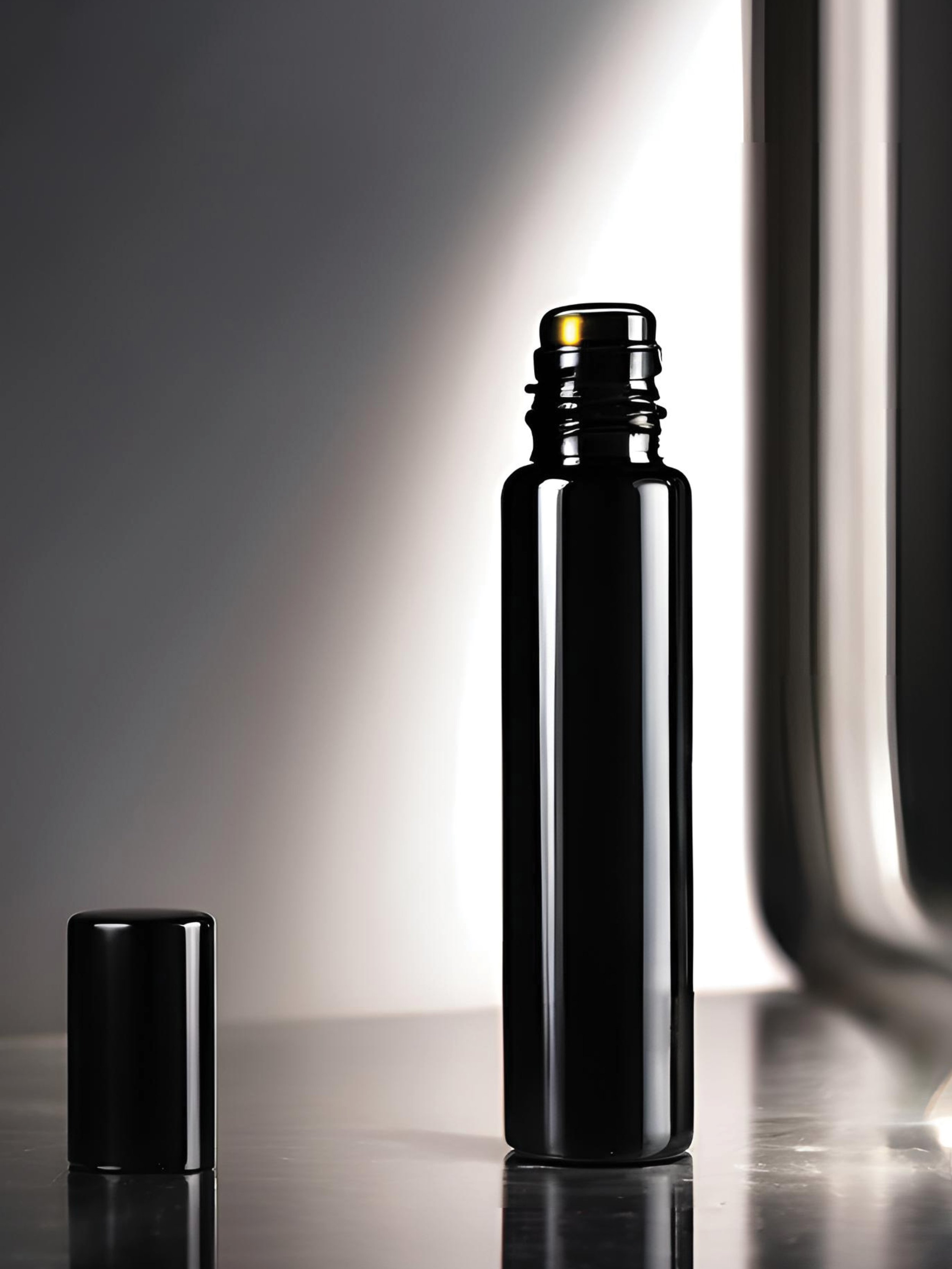
Amber glass bottle with euro dropper.
-
Keep out of reach of children. The bottles are a choking hazard. Avoid contact with eyes, inner ears, mucous membranes, and sensitive areas. If you are pregnant, nursing, taking medication, or have a medical condition, consult a health professional prior to use.
Animals are more sensitive to certain scents; consider your pets while choosing essential oils.
While not all essential oils have the same effect on everyone, the key is finding which ones work best for you. You are the individual and know what is best for you. So experiment and find your path.
The products described on this website are not intended to diagnose, treat or prevent any disease or to affect any structure or function of the skin or body. The information on this website is not medical advice and is not a substitute for consulting with a healthcare provider.