 Image 1 of 1
-
INCI NAME: Eucalyptus radiata, polybractea, dives, and globulus.
ORIGIN: Australia. Bottled in Hawai’i.
PARTS USED: Leaves.
EXTRACTION METHOD: Steam Distilled Essential Oil.
NOTE CLASSIFICATION: Top Note.
-
Blending different types of eucalyptus essential oils can create a powerful synergy with a wide range of benefits in aromatherapy. Here's a breakdown of each type and their potential benefits:
Eucalyptus Radiata: Known for its sweeter, more subtle aroma compared to other eucalyptus varieties, Eucalyptus Radiata is often used for respiratory support. It may help alleviate symptoms of congestion, coughs, and sinusitis. Its antibacterial and antiviral properties make it useful for combating infections.
Eucalyptus Polybractea (Blue Mallee): This type of eucalyptus oil is renowned for its high cineole content, which gives it strong antimicrobial and expectorant properties. It's beneficial for respiratory conditions such as bronchitis, asthma, and flu. Its refreshing scent can also help clear the mind and boost focus.
Eucalyptus Dives (Peppermint Eucalyptus): With a minty and invigorating aroma, Eucalyptus Dives offers similar respiratory benefits to other eucalyptus oils. It's particularly effective for relieving nasal congestion and promoting easier breathing. Its cooling sensation can also provide relief from headaches and muscle aches.
Eucalyptus Globulus: This is one of the most common and widely studied types of eucalyptus oil. It's known for its potent antiseptic and decongestant properties, making it a popular choice for cold and flu relief. Eucalyptus Globulus can also help purify the air and support overall respiratory health.
When blended together, these eucalyptus oils can create a versatile and effective synergy. Here are some potential aromatherapy uses for the blend:
Respiratory Support: Diffusing the blend can help clear the airways, ease breathing, and relieve symptoms of respiratory infections like coughs, colds, and sinus congestion.
Mental Clarity and Focus: The invigorating aroma of the blend can stimulate the mind, improve concentration, and enhance mental clarity, making it beneficial for studying or working.
Immune Support: The antibacterial, antiviral, and immune-stimulating properties of the blend can help bolster the immune system and protect against infections.
Muscle and Joint Relief: When diluted in a carrier oil and applied topically, the blend may provide relief from sore muscles, joint pain, and tension headaches, thanks to its analgesic and anti-inflammatory effects.
Always remember to dilute essential oils properly and perform a patch test before topical application to avoid any adverse reactions. Additionally, pregnant women, children, and pets may have specific sensitivities or contraindications, so it's essential to consult a qualified aromatherapist or healthcare professional before using any essential oil blends.
-
They can be inhaled directly from the bottle, diffuser, or humidifier.
They should be diluted with a carrier oil when applied to your skin. We suggest a 4% dilution rate.
You can also add them to your favorite skincare products.
Essential oils are not safe for consumption unless you are under a health practitioner's guidance.
-
Eucalyptus radiata, polybractea, dives, and globulus.
100% Pure Essential Oil.
Unrefined, Undiluted, No Fillers, No Synthetics, Organic, and Sustainably sourced.
-
0.33 oz / 10 ml
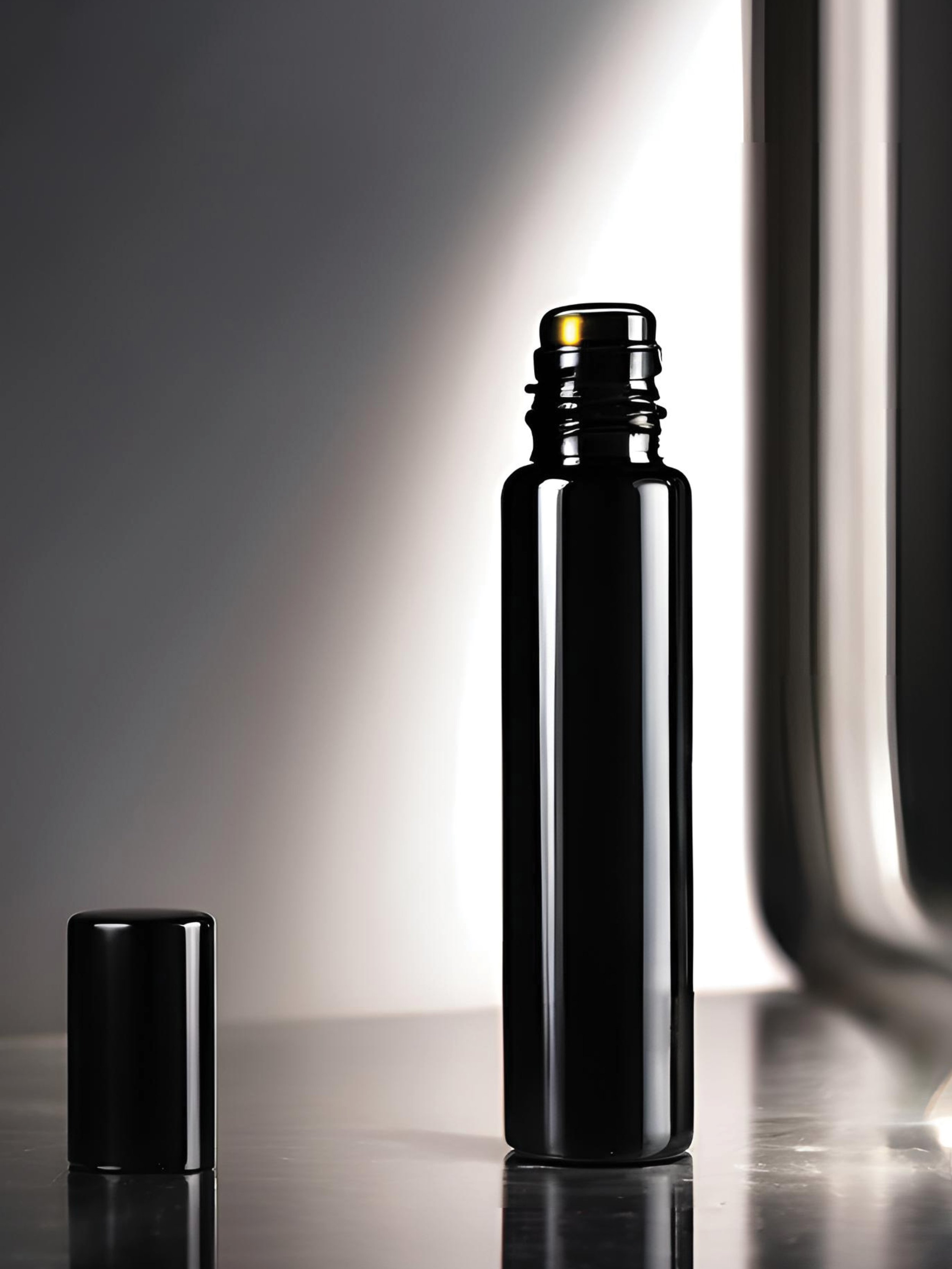
Amber glass bottle with euro dropper.
-
Keep out of reach of children. The bottles are a choking hazard. Avoid contact with eyes, inner ears, mucous membranes, and sensitive areas. If you are pregnant, nursing, taking medication, or have a medical condition, consult a health professional prior to use.
Animals are more sensitive to certain scents; consider your pets while choosing essential oils.
While not all essential oils have the same effect on everyone, the key is finding which ones work best for you. You are the individual and know what is best for you. So experiment and find your path.
The products described on this website are not intended to diagnose, treat or prevent any disease or to affect any structure or function of the skin or body. The information on this website is not medical advice and is not a substitute for consulting with a healthcare provider.